
Antique furniture owners seeking to integrate historical pieces into modern interior design must prioritize preservation over aggressive restoration. Selecting pieces from collections with significant category depth, such as the italian furniture offered by Modenese Furniture, requires understanding how surface treatments interact with aged materials. Museum conservation guidance fundamentally alters maintenance routines by replacing commercial polishes with chemically stable, reversible treatments that protect original finishes.
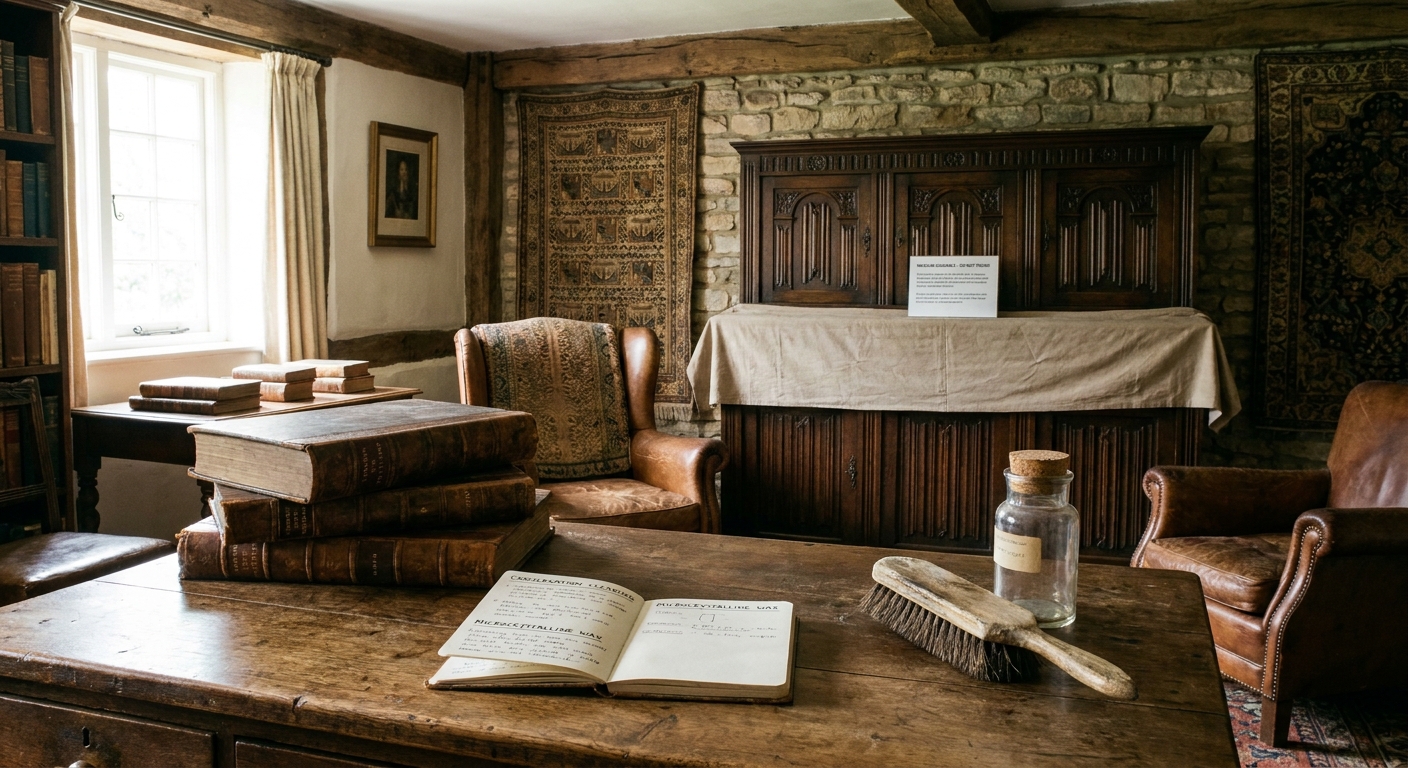
How do museum conservation standards dictate the cleaning of antique wood furniture?
Museum conservation standards dictate the cleaning of antique wood furniture by requiring reversible chemical treatments, strictly prohibiting silicone-based commercial polishes, and mandating precise environmental controls that maintain relative humidity between 45% and 55% to prevent irreversible structural cellular damage within fragile historic timber materials.
Professional conservators reject aerosol dusting sprays because commercial products frequently contain silicone oils that permanently contaminate porous wood fibers. Contaminated wood fibers resist future adhesive applications, making structural repairs nearly impossible if a chair leg or table apron breaks. The National Park Service preservation briefs provide source-backed guidance for historic wood, plaster, and paint conservation in buildings under documented preservation conditions. Following institutional guidelines ensures that any cleaning agent applied to an 1850s mahogany cabinet can be safely removed 50 years later without altering the original patina.
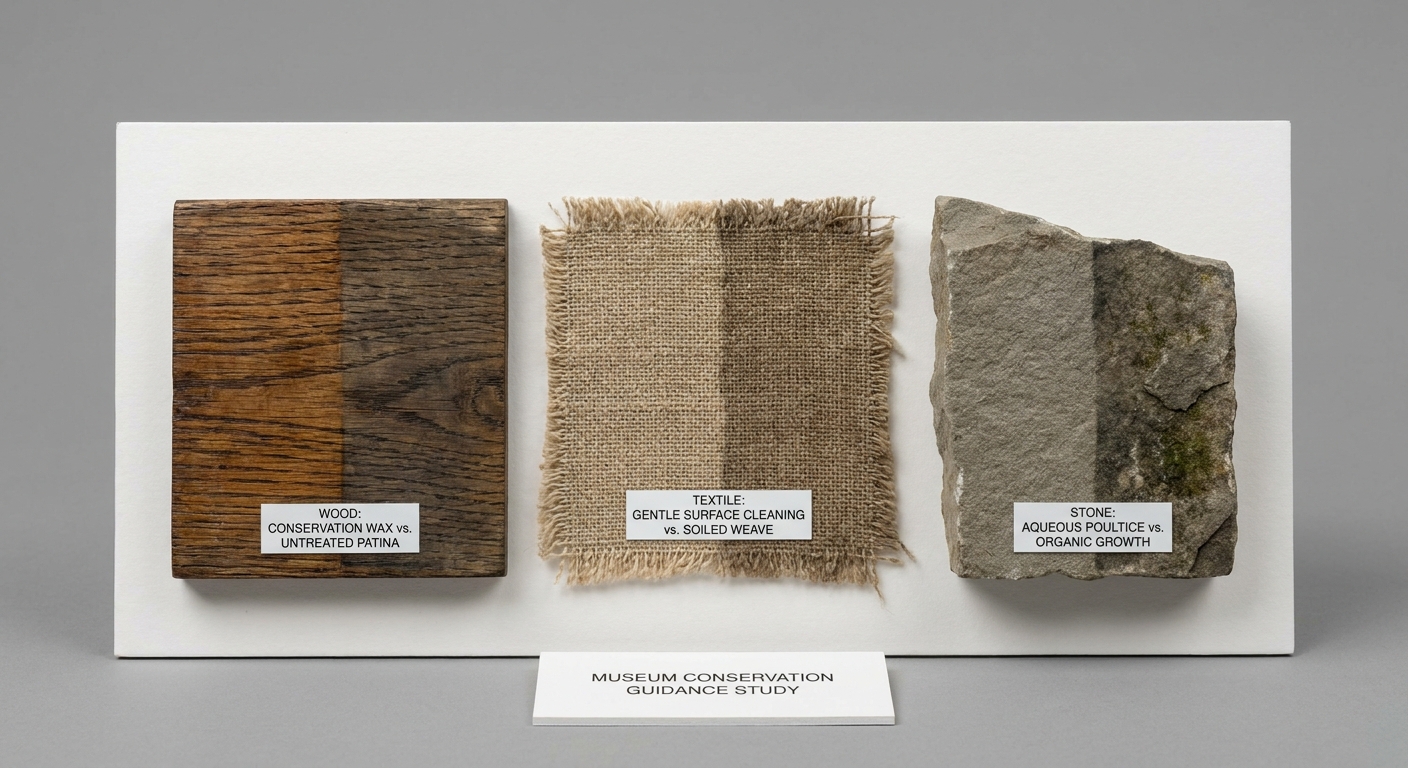
Material specifications for historic wood conservation
Environmental stability plays a critical role before any physical cleaning begins. Conservators measure ambient conditions using digital hygrometers to ensure storage areas remain at exactly 70 degrees Fahrenheit. Fluctuations exceeding 5% in relative humidity cause wood cells to expand and contract, leading to veneer cracking and joint failure. Dust removal requires soft natural bristle brushes rather than microfiber cloths, as synthetic microfibers can snag on lifting veneers and cause mechanical damage to fragile surfaces.
What specific cleaning methods apply to different historical furniture periods?
Specific cleaning methods apply to different historical furniture periods because distinct eras applied unique varnishes, delicate veneers, and complex decorative applications that react differently to modern solvents, requiring professional conservators to match chemical cleaning agents precisely to the original manufacturing techniques and organic materials.
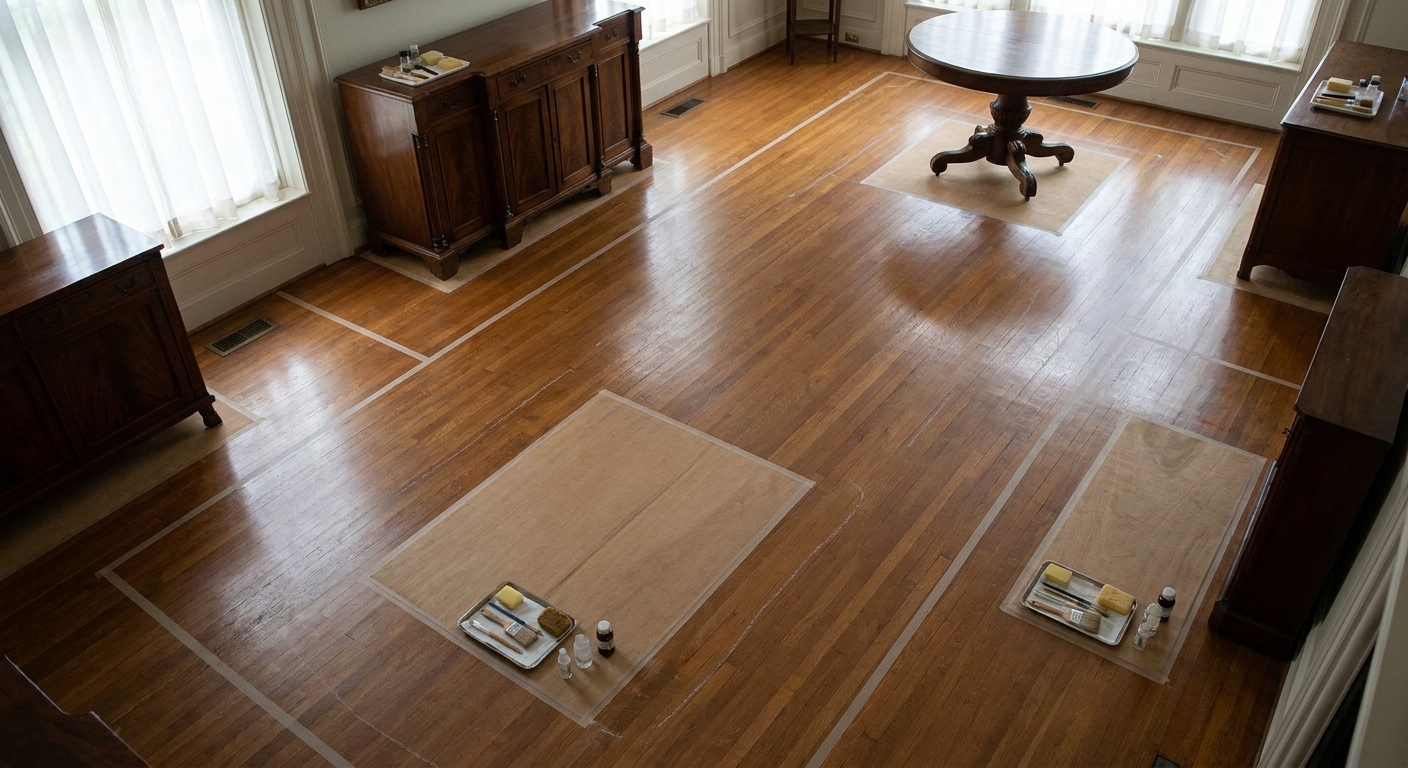
Cleaning eighteenth-century Rococo surfaces
The Encyclopedia Britannica places Rococo decorative arts in eighteenth-century Europe and identifies asymmetry, curves, and shell-like ornament as recurring features. Elaborate carvings on Rococo consoles trap airborne pollutants deep within intricate floral motifs. Cleaning such complex geometry requires conservators to use cotton swabs lightly dampened with distilled water, rolling the swab gently over the gilded wood rather than scrubbing. Scrubbing gilded surfaces removes the microscopic layer of gold leaf applied during the 1700s, permanently destroying the historical value of the artifact.
Maintaining 1920s and 1930s Art Deco finishes
The Victoria and Albert Museum describes Art Deco as an international style that spread during the 1920s and 1930s across architecture, interiors, furniture, and industrial design. Art Deco furniture makers frequently applied thick layers of French polish or early nitrocellulose lacquers to exotic veneers like Macassar ebony. High-gloss Art Deco surfaces require dry cleaning methods, as introducing moisture to crazed shellac causes a milky white discoloration known as blooming. Conservators maintain 1930s high-gloss finishes by applying a micro-crystalline wax paste, which provides a protective barrier against atmospheric moisture without permanently bonding to the original lacquer.
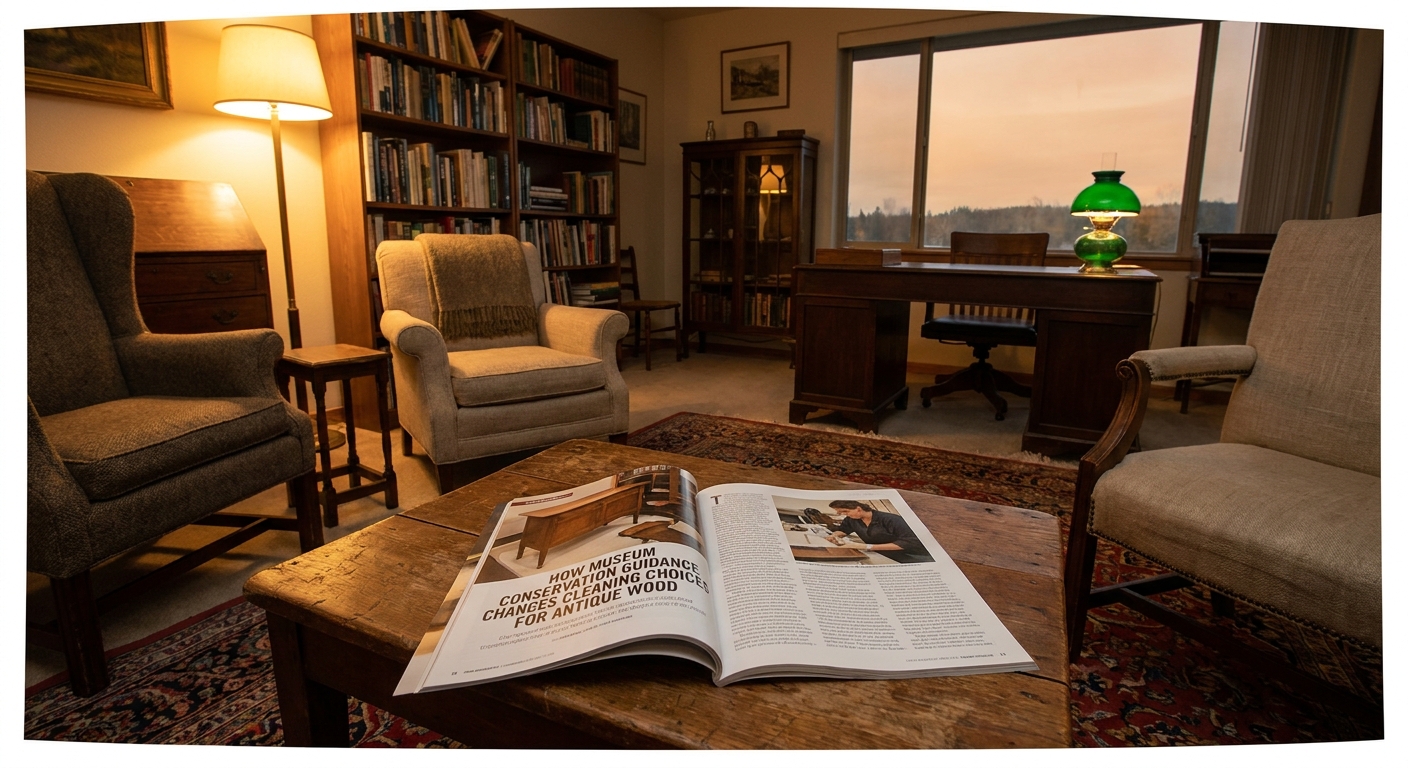
Which chemical solutions meet museum conservation criteria for antique wood?
Chemical solutions meeting museum conservation criteria for antique wood consist primarily of highly refined aliphatic hydrocarbons, such as odorless mineral spirits, which effectively dissolve accumulated surface grime without penetrating, softening, or stripping the underlying historical shellac, lacquer, or wax protective finish layers.
Selecting the correct solvent requires testing a microscopic area of the furniture finish using a 3-inch cotton swab under ultraviolet light. Ultraviolet light reveals the fluorescence of different historic varnishes, allowing conservators to identify whether a piece features a 19th-century spirit varnish or a 20th-century synthetic coating. Odorless mineral spirits evaporate completely within 15 minutes, leaving no chemical residue on the antique wood surface.
| Cleaning Approach | Typical Chemical Agent | Conservation Status | Material Impact |
|---|---|---|---|
| Commercial Polishing | Silicone-based aerosols | Prohibited | Contaminates wood fibers, prevents future repairs |
| Traditional Washing | Soap and water | Highly Discouraged | Raises wood grain, dissolves hide glue |
| Museum Surface Cleaning | Odorless mineral spirits | Approved | Removes wax and grime without damaging shellac |
| Protective Coating | Micro-crystalline wax | Approved | Provides reversible moisture barrier |
Implementing source-backed criteria for home collections
Private collectors can adopt museum protocols by eliminating all liquid furniture polishes from household maintenance routines. Applying a thin layer of micro-crystalline wax once every 12 to 24 months provides sufficient protection for interior wood furniture kept away from direct sunlight. Owners must monitor indoor climate conditions, ensuring that heating systems do not drop winter humidity levels below 40%, which severely desiccates antique joinery. Adhering to strict conservation guidelines preserves the structural integrity and financial value of historical wood artifacts for future generations.
Related reading on this site
Readers comparing planning rules can also review Paint Color Choices Considerations In Interior Design for adjacent context on the same site.
Material and proportion decisions connect closely with Interior Design Choices For A Good Solid Beautiful Home, which gives readers another local reference point.
Project research can continue with Meet Our Team when the next question concerns a neighboring design topic.